The Ultimate Guide to Stainless Steel Work Tables: Buying, Cleaning & More
Table of Contents
Buying Your Stainless Steel Work Table
Who Sells Stainless Steel Work Tables with Sinks for Restaurants?
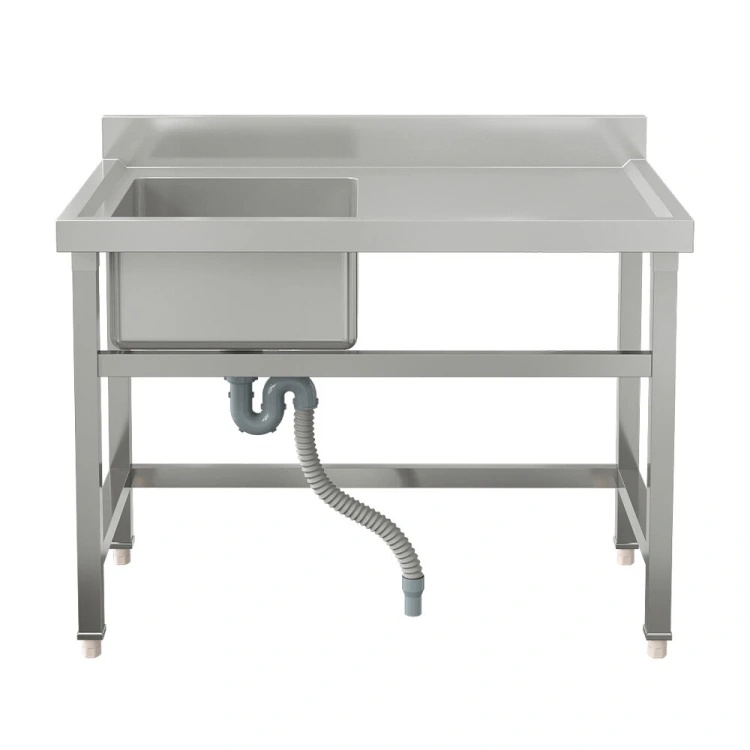
This is one of the most common queries we get. When you need a versatile, all-in-one station, a stainless steel work table with a sink is the answer. You can find them through several channels:
- Restaurant Supply Stores: Both large online retailers (like WebstaurantStore, Katom) and local physical stores carry a wide variety. They often offer competitive pricing and bulk discounts.
- Food Service Equipment Dealers: These specialized dealers provide higher-end, often more durable models and can offer custom configurations.
- Direct from Manufacturers: Many companies manufacture tables directly. Buying from them can sometimes cut out the middleman, potentially offering better prices on large orders.
You can explore our curated selection of commercial-grade work tables with sinks right here on [Your Website Name].
Care and Maintenance: Keeping Your Table Pristine
A well-maintained work table is key to kitchen hygiene and longevity. Here’s how to care for yours.
How to Clean a Stainless Steel Kitchen Work Table
Daily cleaning is simple but crucial.
- Wipe Down: Use a soft cloth or sponge with warm water and a mild detergent.
- Rinse: Wipe the surface with a clean, wet cloth to remove any soap residue.
- Dry Thoroughly: This is the most important step! Use a dry, soft towel to prevent water spots and mineral deposits.
- Sanitize (For Commercial Kitchens): Use a food-safe sanitizer solution as required by your health code.
What to Clean Stainless Work Tables With (And What to AVOID)
Knowing what to use is just as important as knowing how to clean.
Recommended:
- Mild dish soap and warm water.
- Specialized stainless steel cleaners (spray lightly and wipe with the grain).
- A paste of baking soda and water for tougher stains.
AVOID AT ALL COSTS:
- Abrasive Pads (Steel Wool, Scotch-Brite Scouring Pads): These will scratch the surface.
- Chlorine Bleach & Harsh Chemicals: They can pit and permanently damage the steel.
- Glass Cleaners: Often contain ammonia, which can be too harsh.
Assembly, Repair, and DIY
How to Assemble a John Boos Stainless Work Table
While assembly steps vary by brand and model, the general process for a John Boos table or any other reputable brand is similar:
- Unpack Carefully: Lay all parts on a soft surface to avoid scratches.
- Identify Components: You’ll typically have the tabletop, legs, and a hardware kit.
- Attach the Legs: Position the legs and use the provided bolts, washers, and wrenches to secure them tightly. It’s often easier to turn the table upside down on a protective blanket.
- Install the Undershelf (if applicable): Slide the shelf into the brackets and secure it.
- Inspect and Level: Flip the table upright and check that it is stable and level on the floor.
How to Refurb a Stainless Steel Work Table
Bringing an old table back to life is cost-effective and rewarding.
- Deep Clean: Start with a thorough cleaning as described above.
- Address Scratches: For light surface scratches, use a non-abrasive stainless steel polish and a soft cloth, rubbing in the direction of the grain. Deeper scratches may require professional polishing.
- Remove Stubborn Stains & Discoloration: For rust spots or heat discoloration, a dedicated stainless steel rust remover or a paste of baking soda and vinegar can work wonders. Always test in an inconspicuous area first.
- Restore the Finish: After cleaning and stain removal, apply a food-grade stainless steel oil or protectant to restore the shine and add a protective layer.
What Size Screws for a Stainless Work Table?
This is a common repair question. The answer depends entirely on the table’s thickness and design.
- General Guideline: Most standard tables use #14 or 1/4-20 machine screws or bolts that are between 1.5 to 2 inches long.
- Critical Advice: The safest approach is to take one of the existing screws to a hardware store and match it exactly. Using screws that are too long can puncture the work surface, and ones that are too short won’t hold securely.
Frequently Asked Questions (FAQ)
While stainless steel is corrosion-resistant, it is not recommended for permanent outdoor use unless specifically designed for it (e.g., Type 316 marine-grade stainless).
- Risks: Exposure to rain, salt, and extreme weather can lead to pitting, rust, and premature deterioration of standard (Type 304) tables.
- If You Must: Use a high-quality cover and store it indoors during harsh weather. Always dry it completely after any exposure to moisture.
No, a quality stainless steel work table will not be “cut” by knives in the way a wooden table would be. However, it will get scratched. Using a cutting board is essential for two reasons:
- Protects Your Table: It prevents deep scratches and grooves that can harbor bacteria.
- Protects Your Knives: Steel is harder than knife edges; repeatedly cutting on it will dull your blades incredibly fast.
Building a custom table is a major project requiring advanced skills in metalworking and welding.
- Process Overview: It involves sourcing a sheet of NSF-certified stainless steel, cutting it to size, deburring the edges, welding or bolting on legs and supports, and finishing the surface.
- Our Recommendation: For most businesses, the cost of tools, materials, and time makes purchasing a professionally manufactured table a more reliable, safe, and cost-effective solution.
We hope this ultimate guide has answered all your questions about stainless steel work tables. For a durable, easy-to-clean, and professional solution for your kitchen, a stainless steel table is an unbeatable choice.