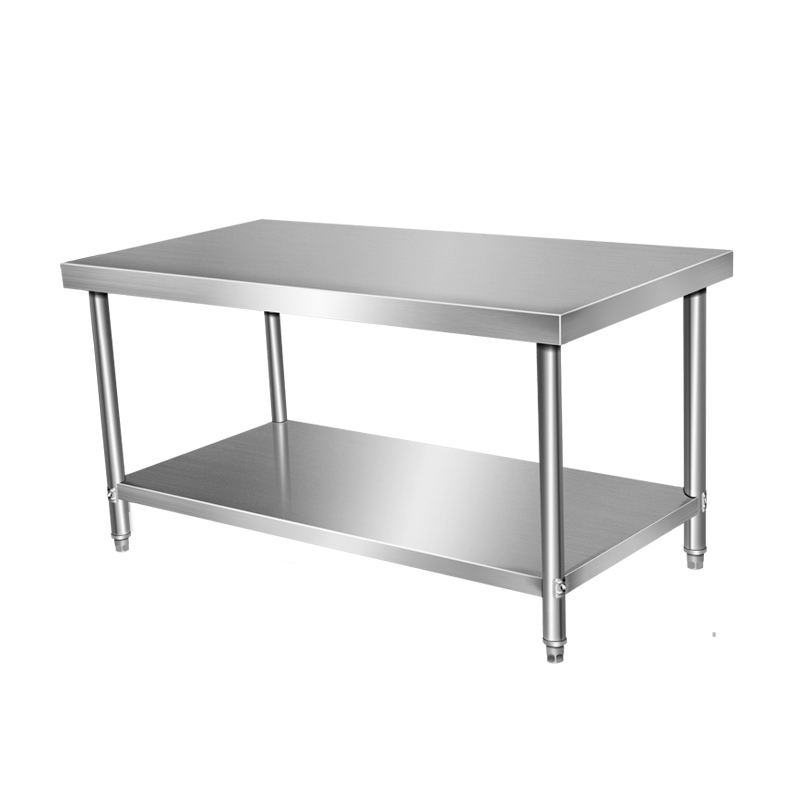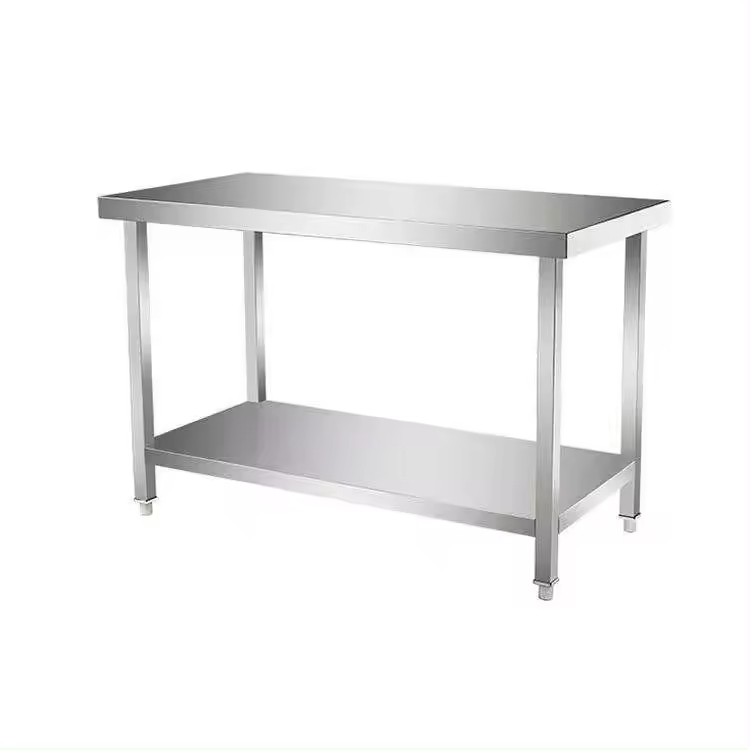
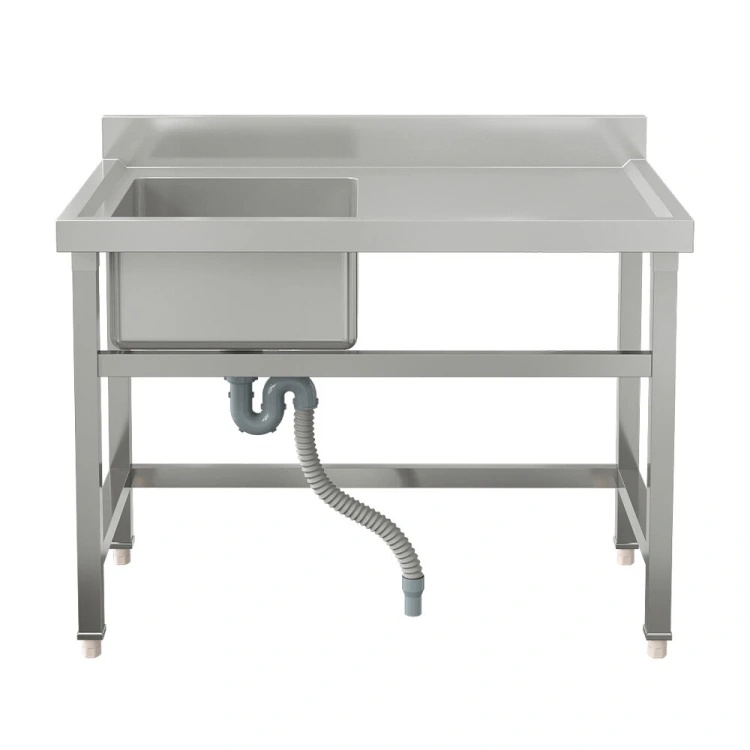
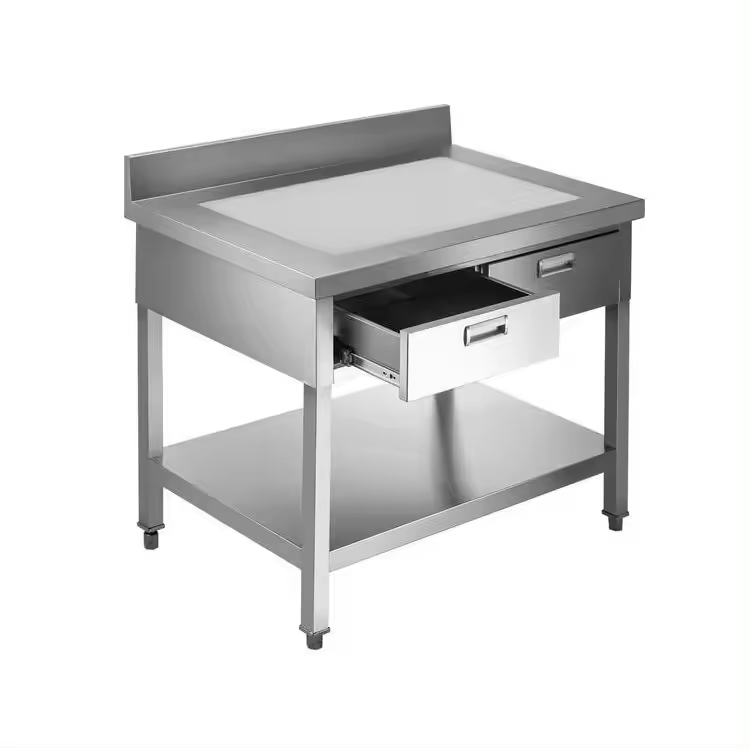
How to Clean a Stainless Steel Table: A Guide to a Spotless Shine
Stainless steel tables are a favorite for kitchens, restaurants, and offices for a reason. They’re durable, modern, and incredibly versatile. But if you’ve ever looked at your table and seen a mess of fingerprints, water spots, or mysterious streaks, you know their one weakness: they show every smudge.
The good news? Learning how to clean a stainless steel table properly is simple. With the right techniques and a few household items, you can restore that beautiful, streak-free shine in no time.
Why Does Stainless Steel Streak So Easily?
Understanding your “opponent” is half the battle. Stainless steel has a non-porous surface, which means spills can’t soak in, but liquids and oils can leave behind residue very easily. The secret to a perfect finish isn’t just about cleaning—it’s about rinsing and drying to prevent these residues from forming streaks.
What You’ll Need: The Right Tools for the Job
You don’t need expensive, specialized cleaners. Often, the best solutions are already in your pantry.
The Basic Toolkit:
- Microfiber Cloths: These are essential! They are soft and lint-free, making them perfect for wiping without scratching.
- Mild Dish Soap: Your go-to for everyday cleaning.
- Warm Water
- A Squeegee (optional): Fantastic for quickly drying large surfaces without streaks.
For Stubborn Stains, Grease, or Disinfection:
- White Vinegar: A natural disinfectant and degreaser.
- Isopropyl Alcohol: Excellent for disinfecting and evaporates quickly, reducing streaks.
- Baking Soda: A gentle abrasive for tackling tough, stuck-on grime.
What to AVOID:
- Steel wool or abrasive scrub pads (they will scratch the surface).
- Bleach or chlorine-based cleaners (they can permanently damage and discolor the steel).
- Harsh, gritty cleansers.
The Step-by-Step Cleaning Process
Method 1: The Everyday Clean (For Fingerprints and Light Smudges)
This is your quick, go-to routine for maintaining that daily shine.
- Wipe Down: First, wipe the entire surface with a dry microfiber cloth to remove loose dust and crumbs.
- Create Your Cleaning Solution: Add a few drops of mild dish soap to a bowl of warm water. Do not apply soap directly to the table, as it can create a film that’s hard to rinse off.
- Wash: Dip a microfiber cloth into the soapy solution, wring it out well so it’s only damp, and wipe the table in the direction of the metal’s “grain.” You can usually see the grain as faint, parallel lines on the surface.
- Rinse (The Most Important Step!): Dampen a second cloth with clean water and wipe the surface again to remove any soapy residue. This is crucial for preventing streaks.
- Dry Thoroughly: Use a clean, dry microfiber cloth to immediately dry the entire surface. Again, wipe with the grain for a flawless, streak-free finish.
Method 2: The Deep Clean (For Grease, Stubborn Stains, or Disinfection)
When your table needs a little more power, these methods work wonders.
For Grease and Sticky Spots:
- Mix a solution of 1:1 white vinegar and water in a spray bottle.
- Spray it onto the surface and let it sit for a minute to cut through the grease.
- Wipe with the grain using a microfiber cloth.
- Rinse with a water-dampened cloth and dry immediately.
For Water Spots or Hard Water Stains:
- Use a cloth dampened with undiluted white vinegar and wipe the stained area.
- Rinse thoroughly with water and dry completely.
For Stuck-On Food or Scuffs:
- Make a paste with baking soda and a small amount of water.
- Gently rub the paste onto the stain using a soft cloth, moving in the direction of the grain.
- Let it sit for a minute, then rinse and dry thoroughly.
Pro Tips and Common Mistakes to Avoid
- Always Follow the Grain: Wiping against the grain can make tiny scratches more visible. Going with the grain helps hide them and creates a uniform look.
- Never Skip the Rinse: Soap residue is the #1 cause of streaks and a dull film.
- Dry, Dry, Dry: The quickest way to prevent water spots is to remove the water yourself with a cloth.
- For a Brilliant Shine: After cleaning, you can wipe the surface down with a little club soda or a cloth dampened with rubbing alcohol for an extra sparkle.
FAQ: Your Stainless Steel Questions, Answered
Q: Can I use Windex on my stainless steel table?
A: It’s not recommended. Many glass cleaners contain ammonia, which can be too harsh for some stainless steel finishes and may damage the protective layer over time. Stick to vinegar, dish soap, or cleaners specifically labeled for stainless steel.
Q: How do I remove scratches from stainless steel?
A: Minor surface scratches can often be minimized. You can purchase a stainless steel scratch removal kit or, for very fine scratches, gently rub with a non-gel toothpaste and a soft cloth in the direction of the grain, then rinse and dry.
Q: How often should I clean my stainless steel table?
A: For a home kitchen, a quick wipe-down after each use is ideal. A thorough clean once a week should keep it in top condition. In commercial settings, cleaning after every shift is necessary.
A clean stainless steel table is a beautiful centerpiece for any room. By following these simple steps and using the right tools, you can easily keep yours looking as good as new for years to come.
What are your best cleaning tips? Share them in the comments below!